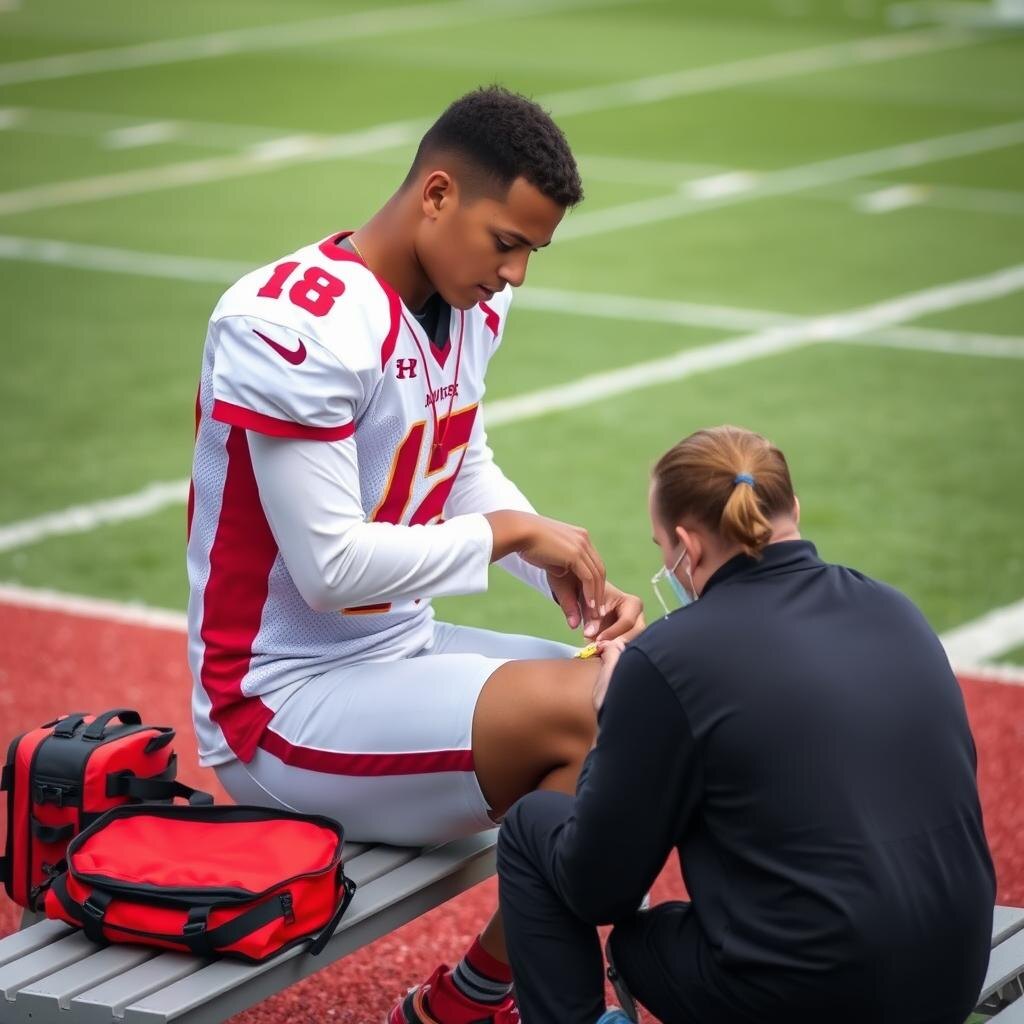
A Costly Misunderstanding
A player goes down on the field. A wrist snaps on a hard slide, a head hits the turf, a knee buckles on a bad landing. The first call a league administrator makes is often to their insurance agent — and the first assumption is almost always the same: *our general liability policy will take care of this.*
In most cases, it won't. The confusion between general liability and participant accident insurance is one of the most common and most expensive misunderstandings in youth and amateur sports. Knowing the difference protects both your injured players and your organization's finances.
What General Liability Actually Covers
General liability (GL) is built to protect your organization against claims from third parties — people who are not participants in your program. Think of:
- A spectator struck by a ball or injured in the bleachers.
- A facility owner whose property your team damaged.
- A passerby hurt on premises your league controls.
Two features of GL matter most here. First, it covers third parties, not your own players. Second, and just as important, GL pays on a fault basis — someone has to allege that your organization was negligent, and you generally have to be found legally responsible before the policy pays. GL is liability coverage; it responds to lawsuits, not to medical bills as they arrive.
That structure leaves a wide gap exactly where youth leagues are most exposed: injuries to the athletes who signed up to play.
What Participant Accident Insurance Covers
Participant accident insurance is designed for the people GL leaves out — your own players (and frequently coaches, officials, and volunteers). Its defining feature is that it pays on a no-fault basis. Nobody has to be blamed, sued, or found negligent. If a covered participant is injured during a covered activity, the policy responds.
Key things participant accident coverage typically does:
- Pays medical bills directly, regardless of who was at fault, up to the policy limits.
- Fills health-plan gaps by covering deductibles, copays, and out-of-network costs the family's primary health insurance leaves behind — and it can serve as primary coverage for families who have no health plan at all.
- Covers sports-specific injuries like concussions, fractures, sprains, and dental injuries that happen in the normal course of practice and competition.
This is the coverage that actually shows up for an injured player.
Two Scenarios That Show the Difference
The concussion. A 12-year-old soccer player takes a hard hit and is diagnosed with a concussion. There's no negligence — it's the ordinary risk of contact sport. Under a GL policy, with no fault to assign, there's nothing to pay. Under participant accident coverage, the medical evaluation, follow-up visits, and any specialist care are covered no-fault, and the family's out-of-pocket costs are absorbed.
The fracture. A baseball player breaks a wrist sliding into second. The family's health plan covers part of the bill but leaves a $2,500 deductible and several copays. GL doesn't respond — the league wasn't negligent. Participant accident insurance steps in to cover that gap, so the family isn't left with a surprise bill from a routine play.
How No-Fault Payment Defuses Lawsuits
There's a strategic benefit beyond paying bills. When a family is hit with thousands of dollars in unexpected medical costs after their child's injury, the pressure to recover that money often pushes them toward a lawsuit against the league — the very kind of claim that drags GL, defense costs, and reputation into the picture.
Participant accident coverage relieves that pressure at the source. When the medical bills are handled promptly and no-fault, families are far less likely to sue. In practice, participant accident insurance is one of the best lawsuit-prevention tools a league can carry.
Why Leagues Need Both
These two coverages aren't competitors — they're partners. General liability protects you when a third party claims your organization caused them harm. Participant accident insurance protects the athletes in your program and quietly heads off the lawsuits that would otherwise land on your GL policy. A youth or amateur sports organization that carries one without the other has a serious hole in its protection.
At Contractors Choice Agency, we build coverage programs that pair general liability and participant accident insurance — along with equipment, directors & officers, abuse and molestation, and umbrella coverage — so that whoever gets hurt, your organization is ready.
Want to know whether your league's injured players are actually covered? Call us at 844-967-5247 and we'll review your program together.